If you spend enough time driving around High Point, you start to recognize the places where cracks happen. The corner by the construction detour on Centennial, the stretch of Business 85 where trucks shed gravel, the parking lot that always seems to have a runaway cart. I’ve been repairing windshields in this city for years, and one thing hasn’t changed: chips don’t wait for free time. They happen on your busiest day, in your work lot, or right before a kid’s practice. What has changed is how easily you can get the job done and get back to life without handling cash or standing over a clipboard.
This is a look behind the scenes of how mobile auto glass in High Point works today, especially when contactless payments and e-receipts fit the picture. It isn’t just about convenience, though that matters. It’s also about accuracy, safety, modern cars with ADAS sensors, and keeping your records organized in a way that makes sense for insurance and for your sanity.
How mobile service actually unfolds on a typical day
When someone calls for High Point auto glass repair, they usually start with something like, “I’ve got a quarter-sized chip on the passenger side,” or, “My rear side window shattered and I need a cleanup too.” We ask quick, practical questions: year, make, model, trim, VIN if possible. The VIN unlocks the truth about your glass. Same model can have three windshield options based on rain sensors, infrared coatings, acoustic layers, and cameras. The goal is to land with the right part on the first visit.
On a mobile job in High Point, you’ll see a marked van roll up with pre-cut parts in padded racks, sealants at the correct temperature, curing lamps if the weather is cold or damp, and calibration targets if your vehicle requires ADAS calibration in High Point after a windshield replacement. We park in a way that keeps traffic and dust away from the working side. The tech walks you through the plan, tapes off trim, disconnects sensors that need to be powered down, and removes the glass carefully to protect the paint and pinch weld. That weld is the backbone of your windshield bond. If the old urethane isn’t cleaned properly or the primer isn’t applied right, you’ll get wind noise or a leak later, and on a bad day, unsafe retention in a collision.
The most underrated part of mobile work is staging the site. Broken side glass spreads like confetti. I carry a shop vac, a fresh tarp, and a magnet wand for ferrous fragments. If your side window replacement in High Point involves shattered tempered glass, we’ll vacuum the door cavity so the window regulator doesn’t chew up stray pieces later. With windshields, we dry fit, check trim clips, verify sensor connectors, then run the urethane bead with proper V-notch geometry and set the glass with suction cups. Once it’s seated, we avoid slamming doors and we explain safe drive-away time. Quality urethane can be safe to drive in 30 to 60 minutes. Cold days, heavy airbags, or taller vehicles can push that window longer, and we’ll tell you straight.
Where contactless payments fit naturally
People ask if they can handle payment without touching anything or sharing a pen. The answer is yes. Most mobile auto glass in High Point now carries tap-to-pay terminals that accept major wallets and chip cards. If you prefer to pay on your phone directly, we can text a secure link that opens a hosted checkout page. No app required, no account setup, and you can do it from your office desk or your front porch.
I remember a Windshield replacement in High Point I did for a teacher at a charter school. The car sat in the staff lot by a light pole, perfect shade. She was supervising an exam and couldn’t step away for long. We set up, swapped the glass, calibrated the camera, and texted the payment link when we were in cleanup mode. She paid during a five-minute break, and the e-receipt arrived before we peeled the tape. No one shuffled papers or exchanged cards hand-to-hand. It took a small but meaningful slice of stress out of her day.
E-receipts are more than a nice touch. They’re the digital file you can forward to your insurer, save for fleet records, or use for warranty claims. When we send an e-receipt, it’s not a generic “thanks for your business.” It includes line items for the glass part number, moldings or clips, labor, materials, and any ADAS calibration. If a claim adjuster asks for proof of proper procedure, that detail matters.
Insurance, cash, and the middle ground
A lot of windshield work runs through insurance, and the way you pay will follow the claim type. For glass-only claims, you may have a lower deductible or a zero-deductible policy. In those cases, we often bill the insurer directly, then send you an e-receipt showing the $0 customer portion. If there’s a deductible, you can pay that portion contactlessly and never pick up a pen. For folks who prefer to pay out of pocket for smaller chips or to avoid a claim on the record, we make that simple too. Again, you’ll get the detailed e-receipt so you can keep your books clean.
I’ve dealt with every scenario: split bills between an employer stipend and personal card, fleet accounts that require PO numbers, and drivers who want the name of the ADAS scan tool listed on the invoice. It’s all doable. The key is good documentation and a payment flow that doesn’t hijack your schedule.
The reality of ADAS calibration in High Point
If your vehicle has a forward-facing camera behind the rearview mirror, radar in the grille, or lane-keeping sensors, a windshield replacement usually triggers ADAS calibration. Not always, but often. The camera needs to know exactly where “straight ahead” lives, and even a millimeter of glass alignment can nudge those angles.
There are two flavors: static calibration with targets set at precise distances and heights, and dynamic calibration that uses a road drive while the system relearns. Some cars need both. High Point’s grid helps with dynamic drives, but we still prefer stretches with consistent lane lines and steady speed. For static work, we bring target boards, laser measures, and level floors or leveling compensation. The calibration equipment communicates with the vehicle, walks through the procedure, and returns pass or fail with data logs. Those logs become part of your service record and are attached to your e-receipt when requested.
Here’s why this matters: If lane departure warning tugs too early or adaptive cruise sees a phantom car, you’ll lose trust in systems designed to help you. Calibrations are not optional decoration. They are part of a safe windshield replacement in High Point, right alongside primer cure times and proper urethane.
When a repair beats a replacement
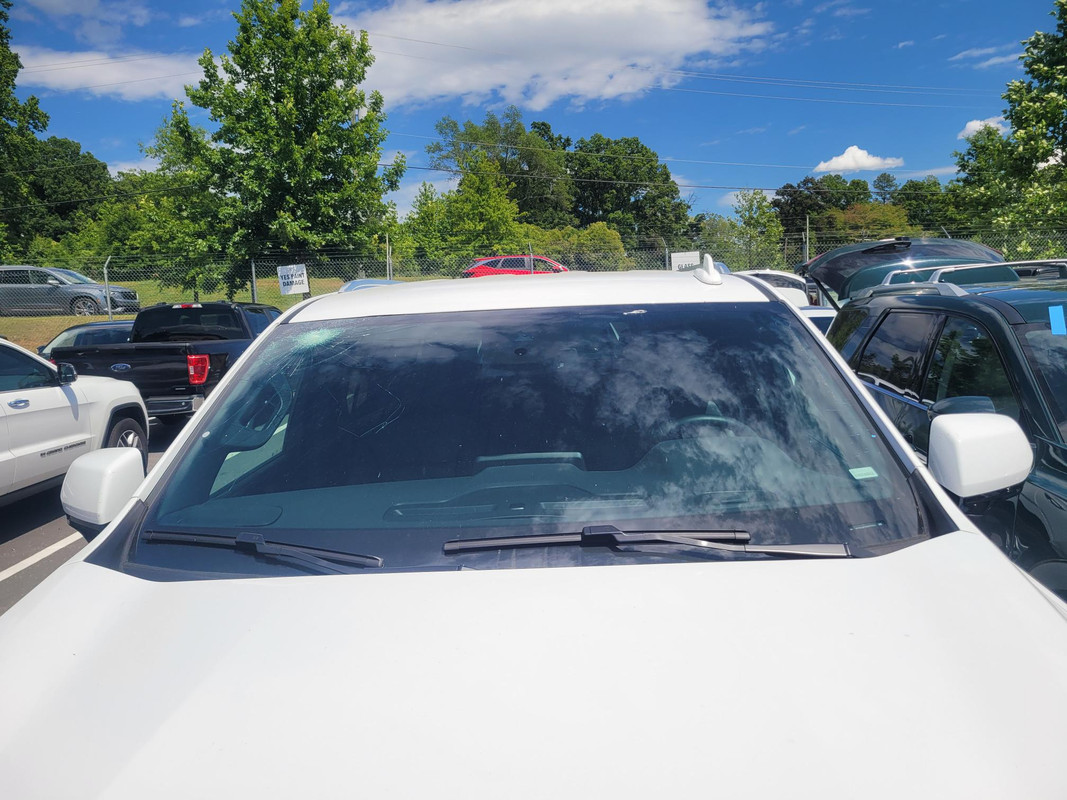
High Point auto glass repair isn’t always a new windshield. If the chip is smaller than a quarter and sits away from the edge and your line of sight, a resin repair makes sense. It takes about 20 to 30 minutes, and a good injection kit can stop the crack from crawling. Visibility usually improves, though the blemish won’t vanish entirely. Think of it like a healed scar rather than new skin. It’s cost-effective, keeps your factory seal, and avoids the calibration dance in many models.
If the break is at the edge, spreads like a spider web, or sits in front of your eyes, replacement is safer. Repairs in the driver’s sweep area can cause glare or distortion at night. With repairs, you pay less, schedule faster, and still get an e-receipt documenting the condition, the resin type, and the cure time. For many people, that record is useful if they later sell the car and want to show they handled damage promptly.
Side window realities and the aftermath
Side window replacement in High Point is its own animal. These pieces are tempered glass that shatter into diced chunks. On a hot day, they turn into glitter that finds its way into seat rails and door seals. We spend as much time vacuuming and brushing out channels as we do actually installing the new pane. I’ve used painter’s tape to pull glass dust out of fuzzy window sweeps and a toothbrush to clear door latch pockets. It’s not glamorous, but it prevents gritty noises and scratch lines later.
The mechanism inside the door can be finicky. If the regulator is bent from a forced entry, we’ll spot it during the install. In that case, we either straighten it if feasible or source a replacement. The e-receipt will break out those parts so you can monitor costs, and it makes it simpler to show a landlord or police report that damage was repaired professionally.
Small choices that change your experience
People often think mobile service is one-size-fits-all, but a few decisions make a big difference in how smooth your appointment goes.
- Choose a parking spot with space on both sides, not just the driver side. We need elbow room to set and vacuum. Avoid sprinklers. Water on the pinch weld or dripping through the cowl slows the adhesive prep and can force longer cure times. Keep pets inside during the job. Glass slivers stick to paws. We use tarps, but err on the safe side. If you know you’ll need ADAS calibration, ask if we can do it mobile or if we’ll route you to a controlled space. Both options exist, but the answer depends on model and sensor suite. Tell us about aftermarket tint brow strips or rain guards in advance. Not a dealbreaker, just a heads-up that saves trim clips and time.
That list leans practical because the little things turn a 90-minute job into a 3-hour saga if we don’t plan ahead. This is the difference between finishing before your lunch break and having to reschedule calibration for another day.
Behind the payment tech and why it’s safer
Payment security isn’t a throwaway line. Contactless doesn’t mean casual. Tap-to-pay cards and wallets tokenize the transaction, which means your card number isn’t broadcast to our device. When we send a pay-by-link text, it opens a page hosted by the payment processor, not some random URL we built ourselves. You’ll see HTTPS and the padlock icon, and the link expires after a window of time. If you prefer not to click links, you can call our office and pay through a secure IVR or tap your card on the handheld terminal when we finish the job.
Your e-receipt lands in your email or text as a PDF or web view, and you can request the invoice to include your claim number, policy number, VIN, mileage, and the last eight of the glass part number for traceability. A fleet manager once told me the difference between a sloppy repair and a professional one isn’t just the glass, it’s the paper trail. He’s right. Clean records reflect clean work.
Weather, adhesives, and High Point’s seasons
We live with humidity and surprise downpours. Adhesives care about that. Urethane manufacturers publish ranges for temperature and humidity that impact safe drive-away time. On a warm, dry day, you might be safe in 30 minutes. Add moisture or Mobile auto glass High Point cold and you can push to 60 to 120 minutes. If rain is imminent, we bring pop-up canopies and moisture meters, and we watch dew point like hawks. If the bond line gets contaminated by water before it skins, the long-term strength suffers. I’ve rescheduled jobs when the forecast turns ugly, and while nobody loves a change of plans, it beats a compromised bond.
Static ADAS calibration also prefers controlled lighting and level floors. Garage floors help, but a dead-level driveway is often fine if we can measure it. We carry digital levels and shims to get targets within spec. There are cars that simply won’t pass static calibration outdoors due to reflection or inconsistent light. When that happens, we’ll drive to a calibration bay or bring you back another day. It’s not a “maybe it’s fine” situation. Either it passes within spec and logs clean, or we keep working until it does.
What a realistic timeline looks like
Let’s say you book a windshield replacement for a mid-size SUV with a camera. We confirm the VIN and part, then schedule a morning slot. We arrive, set up in ten minutes, remove the trim and old glass in twenty, prep and set in twenty more, then allow the adhesive to cure per spec. During cure, we reconnect sensors, reinstall covers, and prepare calibration targets. Static calibration can take 15 to 45 minutes depending on the car. If the model requires a dynamic drive, we plan a route on Wendover or a similar road with clean lines and steady speeds, usually 10 to 20 minutes. Cleanup and final inspection add ten minutes. Realistically, you’re looking at 90 minutes to two and a half hours. Stripped clips, stubborn urethane, or a tight cowl can add time. If you’re on a work break, tell us your hard stop. We’ll design the plan around it or split the work into set and calibrate later the same day.
Repair jobs are shorter. A chip repair is often 30 minutes. Side windows land in the 60 to 90 minute range, mostly due to cleanup and reassembly. Every one of these jobs ends with the same flow: digital paperwork, contactless payment if needed, and an e-receipt with the right details embedded.
What happens if something goes wrong
Any shop that says nothing ever goes sideways hasn’t been in the field long. The difference is how you handle it. If a cowl clip snaps because it was brittle, we replace it. If a part arrives from a supplier with a minor defect in the frit band, we reject it and reschedule, not “make it work.” If a calibration won’t pass on the curb, we move to a controlled environment. And if you call two weeks later about a whistle at 60 mph, we set a time to drive it together and locate the source. Most times it’s a loose A-pillar trim or mirror splash panel that needs a firmer snap. Again, e-receipts and job notes help because we can see exactly what parts we touched and what brand of molding we used.
Who benefits most from contactless and e-receipts
Individuals with packed schedules love it, of course. Parents juggling multiple pickups, healthcare workers ending a 12-hour shift, sales reps who practically live in their cars. But the biggest fans are often small fleets. A property management company in High Point sends us plate numbers and locations by text. We batch the work, each driver taps to pay their portion if needed, or we invoice the company and still send each driver an e-receipt for their records. No envelopes of paper at month’s end and no hunting for tax info.
Rideshare drivers also appreciate the speed. Time with the car off is time not earning. If we can handle a repair or a windshield swap between airport runs and send a receipt that plugs directly into their expense tracker, that’s a win. They also care about calibration more than most because lane-keeping and forward collision warnings interrupt rides if they throw errors.
A few honest trade-offs
Convenience has edges. Mobile service can’t control the weather, and your driveway might not be perfect for static calibration. On rare occasions, a vehicle needs a dealership-level scan for a module that’s picky about readiness states. If your cowl is buried under custom accessories, we’ll need more time. And although contactless payments are smooth, a weak cell signal in a concrete garage can slow down the checkout by a few minutes while the terminal finds a line. None of these are dealbreakers, just realities to plan for.
The upside outweighs the hiccups. You skip waiting rooms, you pay on your phone, and your records land neatly where you can use them. You also get the safety and performance you expect from a properly installed and calibrated windshield.
A short, practical checklist before we arrive
- Park with clear access around the front of the vehicle and avoid active sprinklers. Remove toll tags or parking stickers you want to keep; we’ll transfer what survives. Share your email and phone for e-receipts and status updates, and note any fleet or claim numbers. Tell us about warning lights or ADAS quirks you noticed after the damage. It can hint at sensor issues. Plan for safe drive-away time. If you have an appointment right after, we’ll schedule accordingly.
That five-point plan keeps surprises to a minimum and makes the appointment feel easy rather than disruptive.
What “done right” looks like
When we leave a job in High Point that’s truly dialed in, a few things stand out. The windshield sits evenly in the frame with uniform gaps. Trim clips are fully engaged, no lifted edges or “bubbling” on the molding. Wipers sweep quietly. The cabin smells faintly of cleaner, not adhesive. If you have cameras, your dash shows no lingering ADAS faults, and test drives confirm lane lines are detected smoothly. Your e-receipt arrives while the tape is still on the glass, and it reads like a professional record, not a mystery. It lists the part number, the urethane brand, safe drive-away time, and calibration passes. You’ve paid without handing over a card or touching a screen you don’t own. And because this is the real world, we invite you to call if anything feels off. The work ends, but the support does not.
High Point drivers know how fast a day can fill up. Mobile auto glass service meets that pace without cutting corners. Contactless payments and e-receipts remove friction at the exact moment you need less of it. Add in thoughtful prep, solid adhesive practice, and proper ADAS calibration in High Point when it’s required, and you’ve got a repair that blends into your life instead of hijacking it. That’s the goal every single time: fix the glass, protect the tech behind it, and let you move on with a clear view ahead.